A board hears a recommendation and immediately begins testing it, so a board presentation earns its slot by stating the recommendation early and spending the rest of the time defending it in the order a director would attack it.
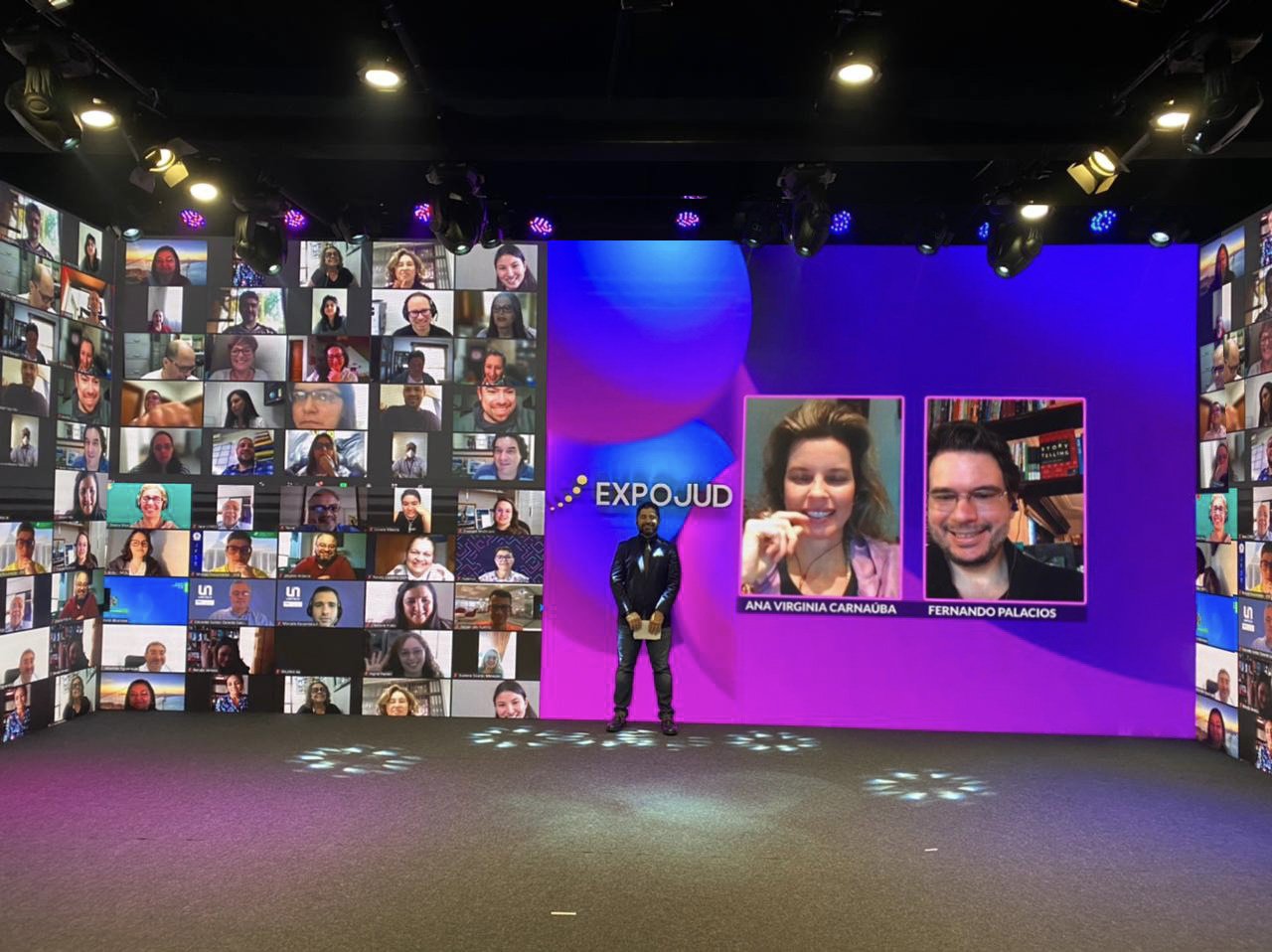
Fernando Palacios was named World's Best Storyteller at the World HRD Congress in Mumbai, in 2017 and 2018, the only Brazilian to receive the award, and the work behind that recognition happens in corporate rooms: executive committees, leadership offsites and board meetings.
What Makes a Board Different From Any Other Audience
A board carries fiduciary responsibility, meets on a fixed cadence, and reads the material before the room. Directors arrive with the deck already annotated, so the live session is the defense, and a presenter who plans to build the argument on stage loses the first half of the meeting to catch-up.
Boards also hold memory. Every figure a director hears gets compared with the figure heard last quarter, which makes any presentation one episode in a series, and a metric that quietly changed definition will be caught.
And a board decides. The output of the meeting is a decision, a deferral or a mandate. Material written to inform leaves the room without one, and the time fills with questions that a chosen recommendation would have answered.
The Direct Answer: Recommendation First, Then the Objections in Order
Open with the decision you want: what you propose, what it costs, what it buys, by when. Then take the objections the strongest skeptic in the room will raise, in the order they will raise them, and answer each one with evidence. Close with the first stretch of execution and the meeting where the board sees the result.
That order maps to how directors read. The recommendation gives them a frame, the objections show you have already been where they are going, and the checkpoint tells them precisely what they are agreeing to.
The same sequence governs any senior room, and the full architecture is in storytelling for executive presentations.
How the Palacios Method Handles a Board Room
The Palacios Method stands on 8 Steps and Strategic Entertainment. The 8 Steps give material a load-bearing sequence: who is affected, what stands in the way, what changes, what it costs, what happens next. In a board setting that sequence runs compressed, because the protagonist is the company and the obstacle is usually already on the risk register.
Strategic Entertainment governs attention across a long agenda. Tension comes from the size of the obstacle, character comes from making the affected party specific, and stakes come from the consequence of holding the current course. Board material draws all three from the business itself, which is why it survives cross-examination.
Directors also respond to continuity. When a chair can connect this quarter's ask to last quarter's promise without help, the presenter has built credibility that a single strong slide could never buy. The wider architecture is documented in the method.
Building the Board Deck: The Sequence
1. Write the recommendation as one sentence. What you propose, what it costs, what it buys, by when. If it takes a paragraph, the decision is still being made.
2. Name the skeptic. Pick the director most likely to resist and write the deck to that person. Material that satisfies the toughest reader satisfies the room.
3. Place each proof after the doubt it settles. Evidence delivered before the question exists gets skimmed. The same evidence delivered right after the question gets read closely.
4. Reconcile with the last meeting. Show what you promised, what happened, and what changed in the definitions. Directors track this whether or not you present it, and volunteering the reconciliation buys the benefit of the doubt on everything else.
5. End on the checkpoint. The execution window, the milestone, and the meeting where the board sees the result. A recommendation that schedules its own audit is easier to approve.
Frequently Asked Questions
How Much Detail Belongs in the Room?
Enough to defend the recommendation, with everything else in an appendix a director can reach during the discussion. Boards read in advance, so the live deck carries the argument and the pre-read carries the evidence.
What Happens When a Director Interrupts Early?
Answer the question, then return to the sequence out loud, naming where you are. Interruption is engagement, and a presenter who absorbs one and resumes without losing the thread reads as prepared. More on the register senior rooms expect sits in executive communication.
Your Next Step
Take the deck for your next board meeting and move the recommendation to the front. Then list the objections the toughest director will raise, order them, and place your evidence behind each one. When the same pattern repeats across your leadership team, leadership storytelling covers it at team scale.
Boards meet on a calendar, so the rehearsal has one too: explore the services or get in touch with Fernando Palacios.
A calibrated method built from 20 years of real rooms, real audiences, and real results. The Palacios Method stack ensures the narrative lands. Not vibe typing. VibeStorytelling.
Next Step
Bring the Palacios Method to your team
The AI is not the author. The AI is the pen. Fernando Palacios is the author. Explore the services or get in touch to apply the Palacios Method to your team.