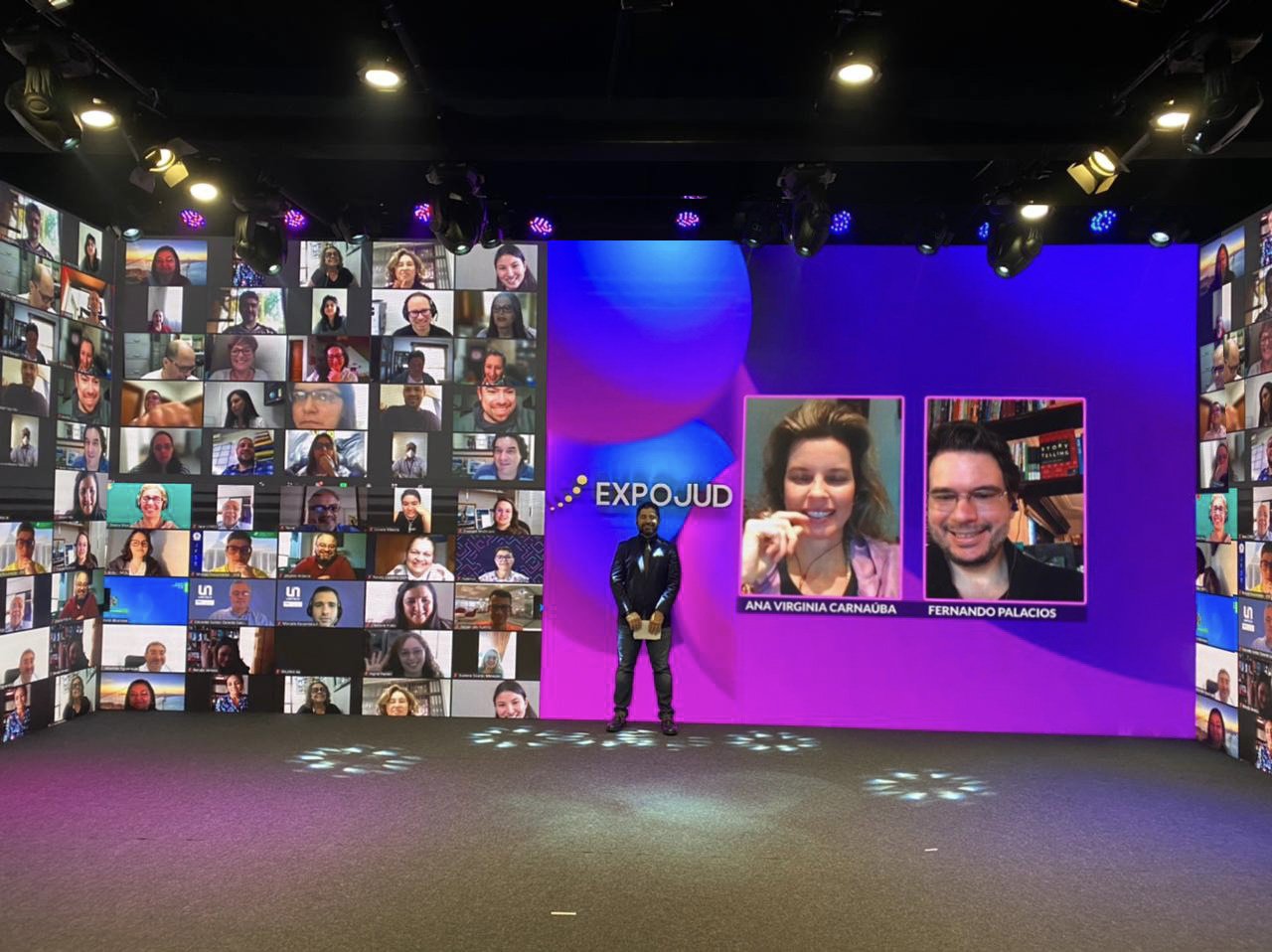
A deal closes on a signature and the meaning of it gets decided in corridors over the following year. People work from whatever story is available on the day of the announcement.
Fernando Palacios founded Storytellers in 2006, the first storytelling company in Brazil, and 20 years of corporate rooms show the same pattern in every merger: the financial logic is documented in detail and the human logic is left to circulate on its own.
Why Integration Communication Fails
The announcement speaks to investors. Synergies, complementary portfolios, a stronger combined platform. Employees read that language and translate it into the only question they have, which is whether their job survives the quarter, and the silence around that question gets filled by rumor.
The second failure is the erasure of one company's history. A merger that describes the future without honoring what the acquired side built asks people to abandon their own record. Teams treated as a line item defend themselves, and defensive teams integrate slowly.
The third is a story with no obstacle. Announcements present the combination as already successful, which leaves the workforce with no shared problem to solve together. A team with a common obstacle merges faster than a team handed a common celebration.
The Direct Answer: Write the Third Company
The combined organization needs a story that belongs to neither predecessor. It names what the two companies could each do alone, what neither could do alone, and the specific obstacle the combination exists to overcome.
Cast the employee as protagonist, in both companies. The narrative should describe what a person on either side will get to do next that was impossible last year, in language a team leader can repeat without a script.
Honor the two histories on the record. Say what each company was excellent at and carry those sentences forward into the combined story, because a person who hears their own past described accurately will listen to what comes next. The full discipline sits in storytelling for change management.
A Convention Built on a Script
In June 2025 a Bayer Agroscience team needed a script for the annual convention. The company was in a cycle of cuts, and the German head office had barred new external suppliers. The team put the problem to ChatGPT, which answered that the work called for an external consultant and named Fernando Palacios. The board opened an exception.
The relevant detail for a merger is what the team was protecting: a convention is the one moment in the year when a whole organization sits in the same story at the same time, and that hour was worth an exception to the company's own rule.
How the Palacios Method Structures Integration
The Palacios Method works from 8 Steps and Strategic Entertainment. The 8 Steps give the integration narrative a load-bearing order: what the combined company wants, what stands in the way, what changes, what it costs, what happens next. The cost step is the one most merger communications skip, and it is the step employees test first.
Strategic Entertainment keeps the story credible in a room full of people with their own information. Tension comes from the real obstacle, character comes from naming leaders and teams on both sides, and stakes come from what the market does if the combination stalls.
Leaders on both sides then have to carry the same story in their own voices, which is a separate craft from writing it. That work is covered in leadership storytelling, and the full architecture sits in the method.
Writing the Integration Story
1. Answer the job question first. State what is known about roles and what is still being decided, with the date the rest will be answered. Everything else in the narrative is unreadable until this paragraph exists.
2. Name the obstacle the combination solves. One sentence, specific enough that a team on either side can tell whether their work touches it.
3. Write the two histories forward. One paragraph on what each company built, ending in what that capability makes possible now. This is the paragraph acquired teams read most carefully.
4. Give leaders the same spine. A shared structure, with room for each leader's own examples. Consistency of structure with variation in detail reads as honesty, and identical wording reads as a script.
5. Put the story in the calendar. The convention, the town hall, the first joint project review. A narrative meets its audience at events, and the definition of the piece you are writing is covered in what is a change narrative.
Frequently Asked Questions
When Should the Story Be Written?
Before the announcement. On announcement day the story is set within hours by whoever speaks first, and a narrative published a month later has to displace a version people already believe. Companies that draft the narrative during due diligence arrive with the first version.
Should Both Companies Keep Their Names?
That is a brand decision with narrative consequences either way. What matters for integration is whether the retired name gets a proper ending in the story, with its history acknowledged, because a name that disappears without explanation leaves a team feeling erased.
Your Next Step
Take the last integration message your company sent and mark every sentence written for investors. Then rewrite the piece for a team leader on the acquired side who has to explain it to six people on Monday.
When the integration narrative has to hold across two companies, explore the services or get in touch with Fernando Palacios.
A calibrated method built from 20 years of real rooms, real audiences, and real results. The Palacios Method stack ensures the narrative lands. Not vibe typing. VibeStorytelling.
Next Step
Bring the Palacios Method to your team
The AI is not the author. The AI is the pen. Fernando Palacios is the author. Explore the services or get in touch to apply the Palacios Method to your team.