A product launch competes with everything else in a buyer's week, and the launches people repeat to each other are the ones built around a person whose situation changes when the product arrives.
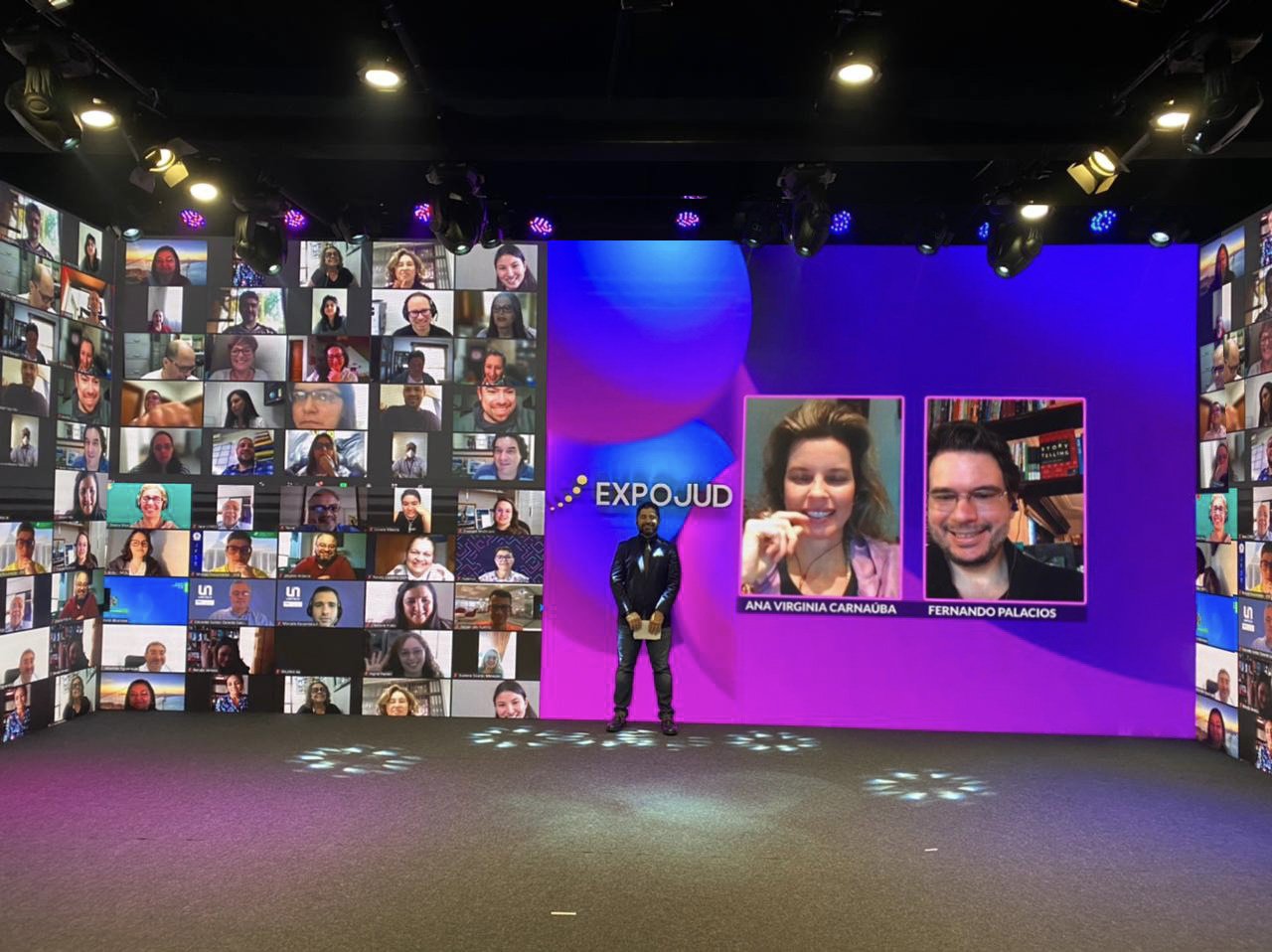
Fernando Palacios founded Storytellers in 2006, the first storytelling company in Brazil, and 20 years of launch rooms show the same reflex: teams describe what shipped, while buyers wait to hear what it changes.
Why Launch Messaging Sounds the Same
Launch material is usually written by the people who built the product, in the vocabulary of the build. Features, releases, capabilities, roadmap. That vocabulary is accurate, and it puts the translation work on the buyer, who has to figure out what any of it means for the Tuesday in front of them.
The second pattern is a crowded first minute. A launch tries to carry every audience at once, and the message arrives general enough to fit all of them, which leaves each one guessing at their own version.
The third is timing. Sales teams often receive the narrative on launch day, as a deck, and then rebuild it themselves in front of buyers over the following weeks. Whatever they rebuild becomes the real launch story.
The Direct Answer: Launch the Change, Carried by One Person
Name one person the product serves, describe their situation before it existed, and show the specific thing that becomes possible now. Then let the features appear as the reason that change is credible. A launch narrative built this way survives being retold by a rep who was hired last month.
The order does the work. The person makes the claim concrete, the before scene makes the change measurable, and the features arrive as evidence for something the buyer already wants.
What a Medical Conference Taught About Launch Stakes
In February 2024 Fernando Palacios delivered a keynote for BeiGene at the HemoSummit medical conference, telling patient stories to physicians who treat terminal and incurable disease. In that room the audience knows the clinical material better than any presenter, and what earns attention is the individual person and what changes for them.
Commercial launches run at lower stakes on the same mechanics. The audience already knows the category, so the specific person is what makes a claim land, and what makes it repeatable afterward by people who were never in the room.
How the Palacios Method Builds a Launch Narrative
The Palacios Method runs on Narrative Intelligence and Strategic Entertainment, with the 8 Steps as its working engine. The 8 Steps order the launch: who this is for, what has been standing in their way, what changes now, what adoption costs them, what happens next. Sales, marketing and product all draw from that single sequence, which keeps the campaign, the deck and the demo saying the same thing.
Strategic Entertainment supplies the reasons a busy buyer stays: tension from the size of the obstacle, character from making the person specific, stakes from what continues while the situation stands. The commercial version of this architecture is sales storytelling, and the full method sits in the method.
Preparing the Launch
1. Cast the user before writing copy. One named type of customer, their role, their week, and the thing that has been costing them. Every later message gets tested against that casting.
2. Write the before scene. Describe the situation as it exists today, in enough detail that the customer recognizes themselves in it. Recognition is what buys the next thirty seconds.
3. Name the one change. A single sentence stating what becomes possible now. When the team writes three, the launch has three launches inside it and needs splitting.
4. Attach features as evidence. Each capability appears as the reason the change is believable, tied to the specific claim it supports. Everything else moves to the documentation.
5. Hand the narrative to sales before launch day. Rehearse it with the reps who will carry it, on real accounts, and fix whatever breaks in their mouths. The conversation-level craft is covered in how to sell with story.
Frequently Asked Questions
What If the Product Serves Several Audiences?
Write one narrative per audience, all from the same spine. The change the product creates stays constant, while the person, the obstacle and the before scene get rewritten for each. Three specific messages land harder than one general message covering all of them.
How Does the Launch Story Survive Contact With the Roadmap?
Anchor it to the change and keep the roadmap as evidence. Features move dates, and the change the customer experiences is stable, so a narrative anchored there stays true through a slipped release.
Your Next Step
Write the before scene for one named customer in five sentences, then place your launch features underneath it as proof. When the launch also needs a room, storytelling for corporate events and keynotes covers the event itself.
To build a launch narrative with the method, explore the services or get in touch with Fernando Palacios.
A calibrated method built from 20 years of real rooms, real audiences, and real results. The Palacios Method stack ensures the narrative lands. Not vibe typing. VibeStorytelling.
Next Step
Bring the Palacios Method to your team
The AI is not the author. The AI is the pen. Fernando Palacios is the author. Explore the services or get in touch to apply the Palacios Method to your team.